


₦10,000.00
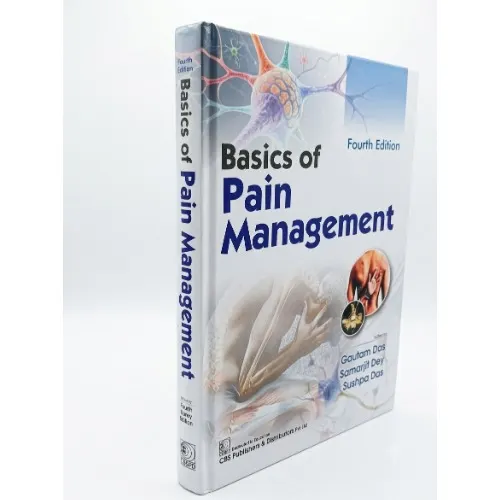


Description
Pain management is the clinical approach to diagnosing and treating discomfort, utilizing a combination of medication, physical therapies, and psychological support. The goal is to minimize pain, improve physical function, and enhance the overall quality of life.
Types of Pain
Acute Pain: Sudden and sharp, usually caused by an injury or surgery. It is temporary and typically resolves when the underlying cause heals.
Chronic Pain: Long-term pain (lasting longer than (text{3}) to (text{6}) months). It often persists long after an initial injury has healed and may require ongoing management.
The Management Toolbox
Effective pain management often involves a multimodal approach—combining different strategies for better results.
1. Medications
Non-opioids: Over-the-counter (OTC) options like paracetamol (acetaminophen) and Nonsteroidal Anti-inflammatory Drugs (NSAIDs) such as ibuprofen are used for mild to moderate pain.
Opioids: Prescribed for severe acute pain or cancer-related pain. Due to the risk of dependence, they are used cautiously for chronic pain.
Adjuvants: Medications originally designed for other conditions (e.g., antidepressants or anticonvulsants) that are highly effective for nerve-related pain.
2. Physical and Occupational Therapy
Movement-based therapies help improve strength, flexibility, and mobility. Techniques include targeted exercises, massage therapy, and learning ergonomic adjustments to prevent strain.
3. Psychological and Behavioral Approaches
Mental strategies help alter how the brain perceives pain signals. Cognitive Behavioral Therapy (CBT), mindfulness, and relaxation techniques are frequently utilized.
4. Interventional Procedures
For persistent or severe conditions, specialists may utilize injections (such as nerve blocks or epidurals) or other minimally invasive procedures to interrupt pain signaling.
No more offers for this product!
General Inquiries
There are no inquiries yet.









Reviews
There are no reviews yet.